Tensegrity
Medicine
An Integrative Approach
to Whole Person Medicine
Services Offered
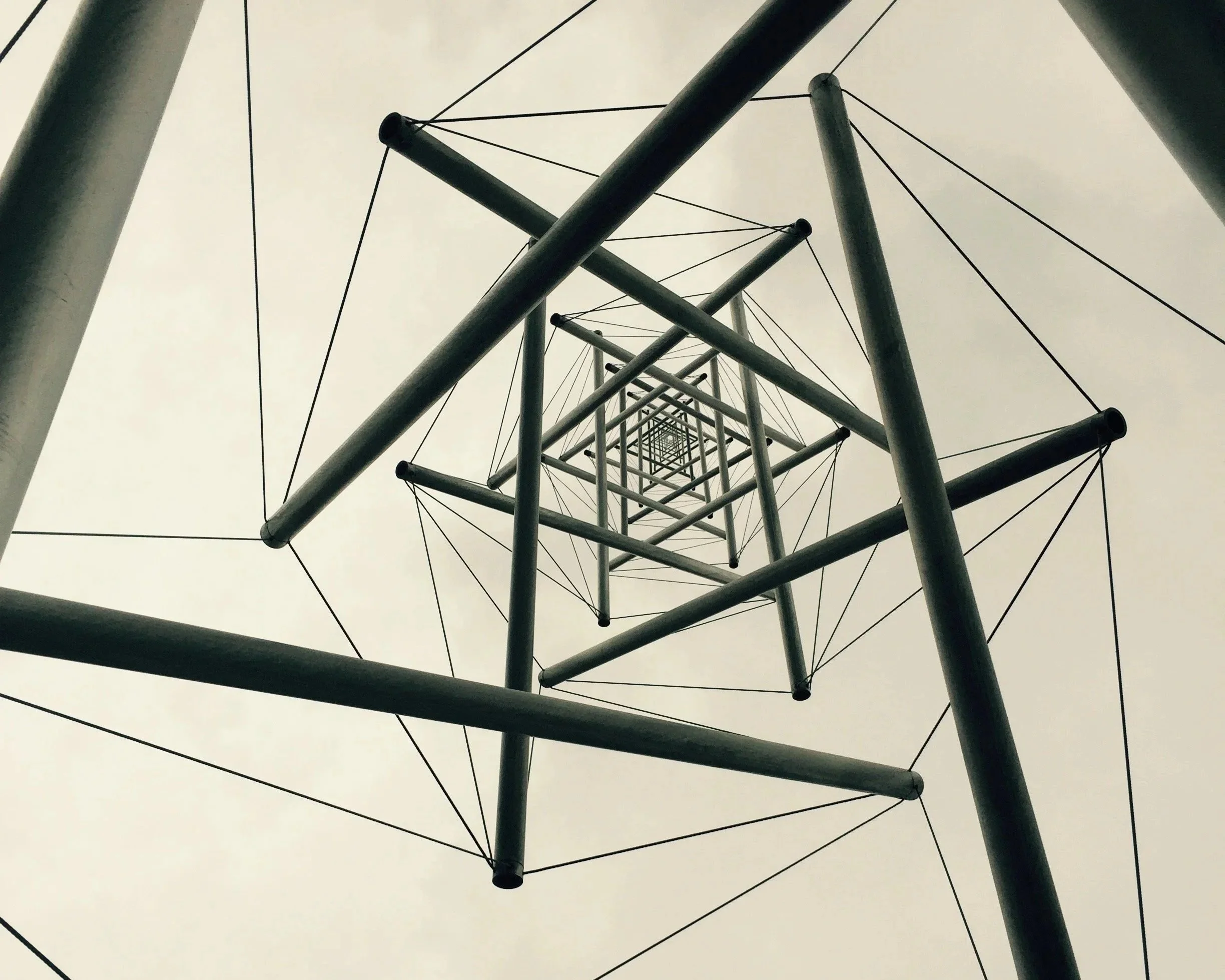
Tensegrity reflects the balance
between unseen forces.
‘The universe is omnitensional integrity.’
-Buckminster Fuller
About Kelly
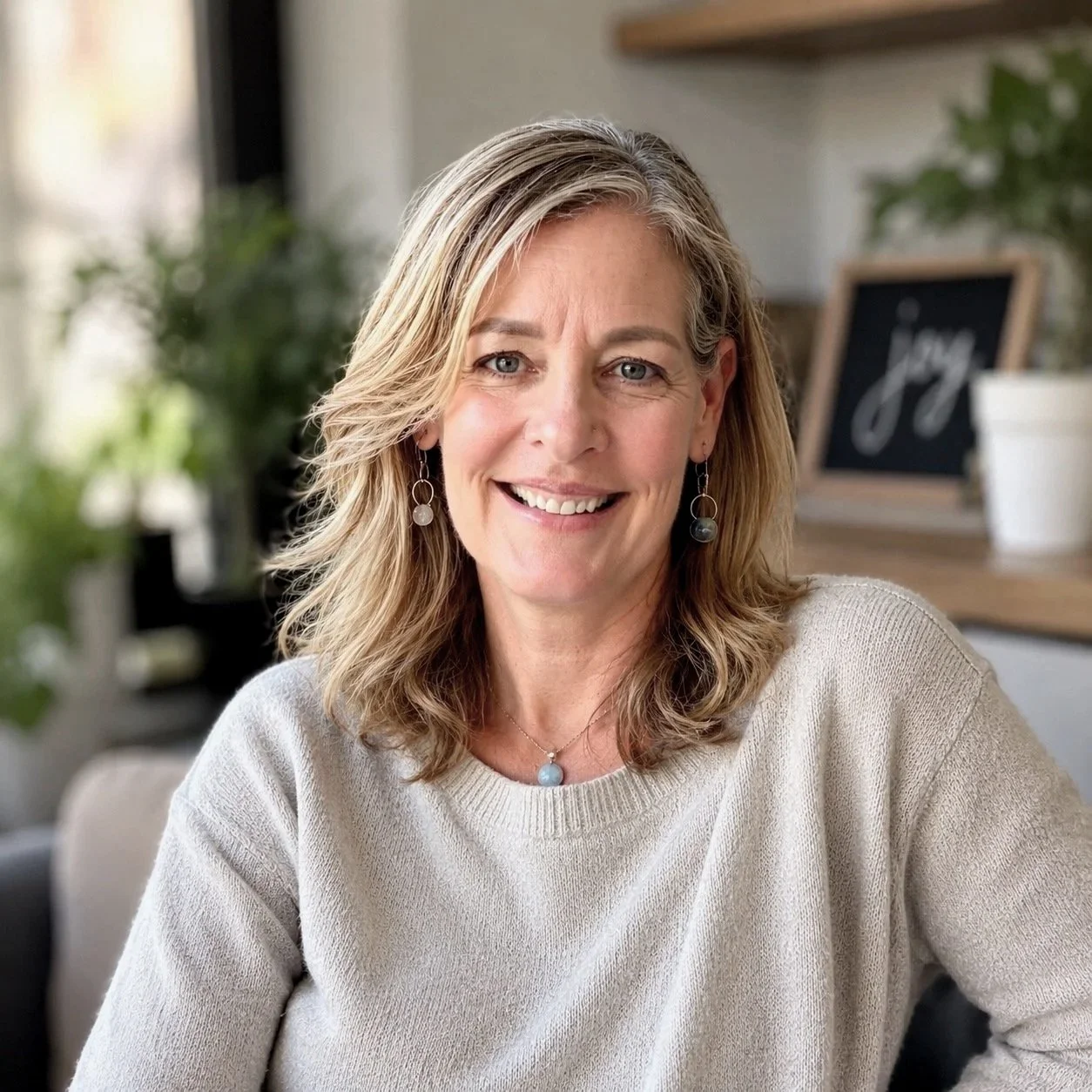
Through somatic awareness and exploration of self-care, nutrition, movement, and exercise practices, Kelly focuses on the multifaceted, multilayered components that help individuals experience greater health and well-being in their bodymind.
Her primary goal is to empower her clients and students in practicing a more balanced lifestyle that not only supports health, but more importantly, guides a ‘return to oneself’ and their essential nature.
Along with assessing and treating the structural imbalances that may be presenting in the body, she additionally brings awareness and inquiry into the emotional and perceptual factors that may be impacting the body’s regulatory systems.
She has practiced as an Occupational Therapist for over 39 years and completed subspecialty training as a board-certified hand and upper extremity specialist. She also completed training as a structural integrator, a massage therapist, and an Internal Family Systems (IFS) practitioner.
Kelly developed the Tensegrity Medicine methodology and teaches nationally and internationally on topics related to therapeutic assessment, light-touch manual therapies, bodymind dialoguing, and the Tensegrity Medicine methodology.
She is based in Seattle, Washington.
What is Tensegrity Medicine?
Tensegrity Medicine is a holistic approach to therapy that focuses on the relationship of the individual and their interactions, responses, and adaptations to the internal and external environment. Using a biotensegrity-informed, complex-systems lens to understand the bodymind, this approach views the individual as a biological organism composed of ‘equal forces of tensional compression and distraction on multiple levels’. It explores the global adaptive patterns and strategies that arise following injury, trauma, repetitive movement patterns, outdated belief systems, perceptions and unprocessed emotions.
This unique form of therapy incorporates the latest research related to connective tissue science, neuroscience, trauma-informed care, and biofield medicine. Along with physical injuries and disease processes, it is understood that our perceptions and our responses to life’s challenges and stressors contribute to our global symptoms and habits, which are reflected in our overall physical, cognitive, and emotional posturing.
A comprehensive holistic evaluation incorporates the physical, emotional, and perceptual history as a means to better understand lifestyle stressors, coping mechanisms, and belief systems.
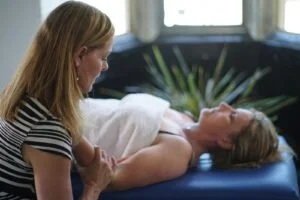
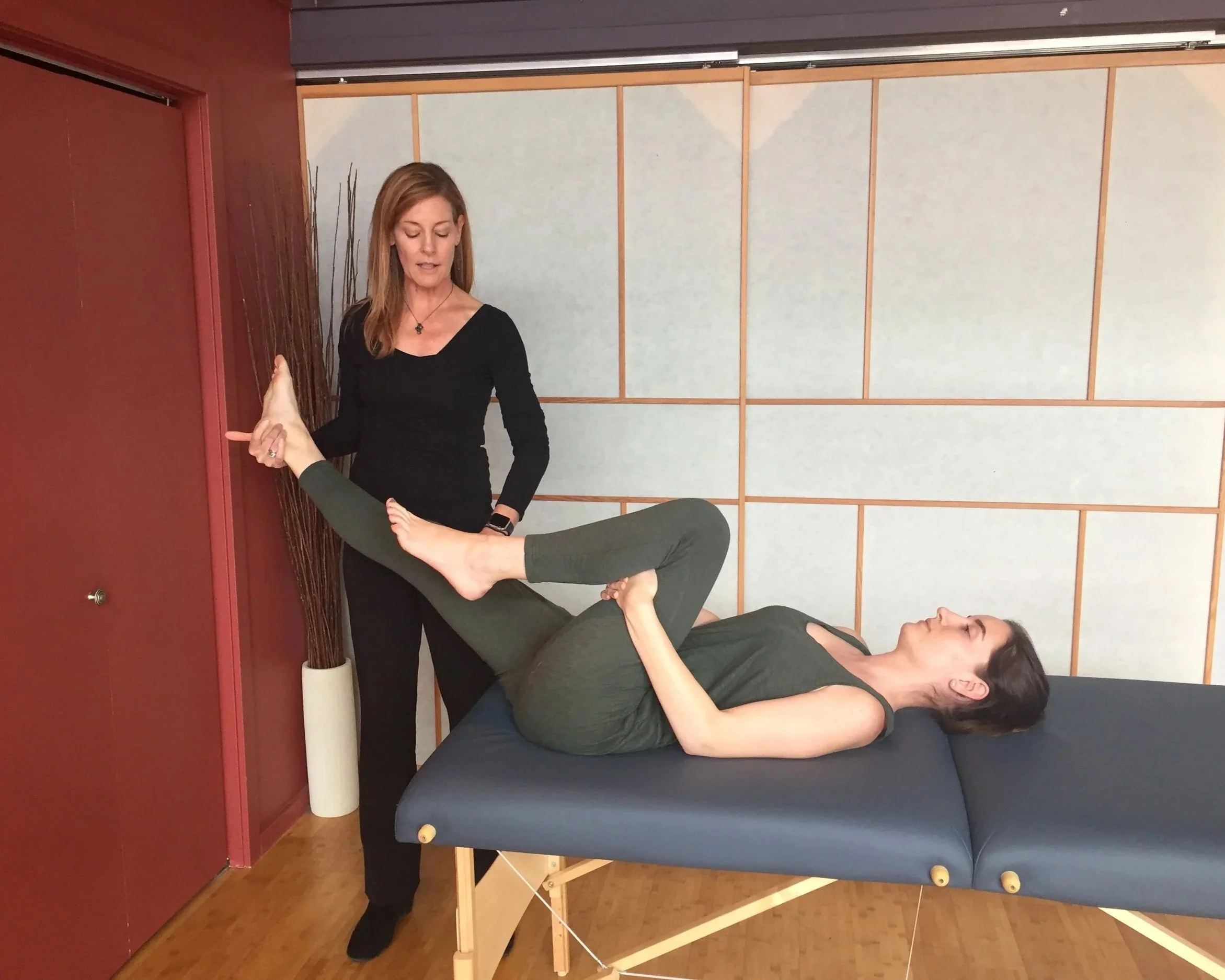
During hands-on treatment, the Tensegrity Medicine practitioner uses light-touch manual techniques to target abnormal structural tensional patterns that may be altering optimal joint, muscle, ligament, tendon, or nerve functioning. During these hands-on and movement therapy sessions, the focus is placed on heightening the client’s interoceptive awareness around holding patterns, perceptions, beliefs, and sensations. Hands-on treatment usually involves 90-minute treatment sessions.
During the Integrative Coaching sessions, exploration follows sensations, interoceptive sensing, thoughts, emotions, perceptions, current beliefs, and lifestyle habits and relies on them as trailheads into the client’s inner environment. From there, the relational aspects of the parts of the client are identified, and the capacity to tap into the innate healing of Self energy. These sessions typically are 60-90 minutes in length and are available in person or online.
In both approaches, the therapist skillfully maintains safety, curiosity, and deep compassion by incorporating a nonpathologizing lens of inquiry. This allows for the illumination of patterns and adaptations that may be in conflict with other parts of the system and creates circumstances for deeper insight to emerge into how these strategies may have originated. It is through this exploration, inquiry, and unburdening of these energies that emergent choice points become naturally available. This dynamic process creates spaciousness for updated lifestyle habits and relational dynamics to take form- ones that reflect the client’s current needs, values, and desires.